Top Tourist Destinations in India — Complete Guide for First-Time & Returning Visitors
Tourist Destinations India: India is a land of contrasts: soaring mountains and sun-kissed beaches, ancient temples and buzzing modern cities, quiet rural villages and vibrant festivals. Whether you’re a first-time traveler or returning to explore deeper, India offers unforgettable destinations for every travel style. This guide groups the most popular places by region, highlights what to see and do, lists the best times to visit, and gives practical tips to plan your trip.
Northern India — Heritage, Culture & Himalayas
1. Delhi
What to see: Red Fort, Qutub Minar, Humayun’s Tomb, India Gate, Chandni Chowk, modern galleries in New Delhi.
Why go: Gateway to India’s history and the typical starting point for many itineraries.
2. Agra
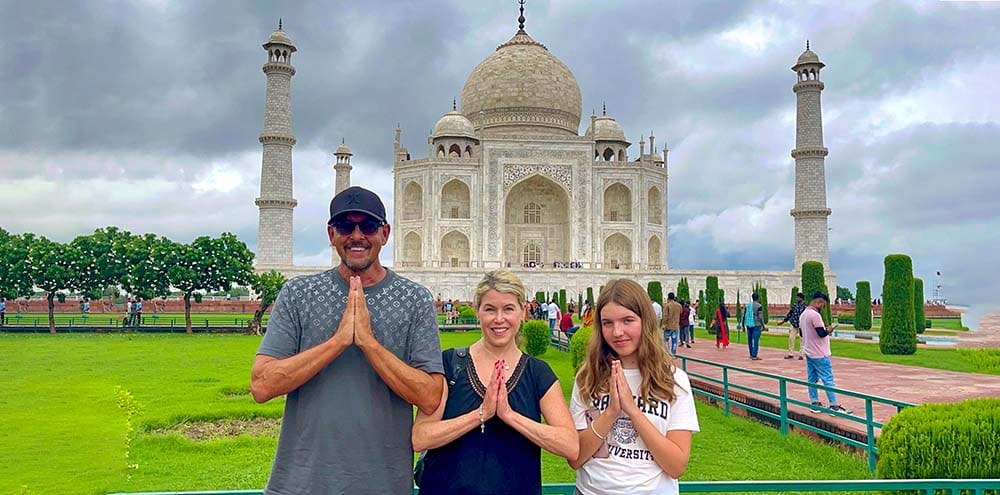
What to see: Taj Mahal (sunrise recommended), Agra Fort, Mehtab Bagh.
Why go: Iconic monument and a short drive from Delhi — often combined with the Golden Triangle.
3. Jaipur (Rajasthan)
What to see: Amber Fort, City Palace, Hawa Mahal, local bazaars and crafts.
Why go: Royal heritage, colorful markets and forts.
4. Varanasi
What to see: Ganga aarti at Dashashwamedh Ghat, boat rides at dawn, Sarnath (Buddhist site).
Why go: Spiritual heart of India and a profound cultural experience.
5. Amritsar
What to see: Golden Temple, Wagah Border ceremony.
Why go: Deeply moving religious site and Sikh culture.
6. Shimla, Manali, Dharamshala (Himachal Pradesh)
What to see: Mountain scenery, trekking, Tibetan culture in McLeod Ganj (Dharamshala).
Why go: Hill stations and adventure routes; great in summer.
7. Leh–Ladakh
What to see: Pangong Tso, Nubra Valley, high-altitude passes, monasteries.
Why go: Stark, otherworldly landscapes; best for adventure travelers (summer months).
Western India — Palaces, Deserts & Coastlines
1. Mumbai (Maharashtra)
What to see: Gateway of India, Chhatrapati Shivaji Terminus, Colaba, Marine Drive, Elephanta Caves.
Why go: India’s commercial capital with a lively food and arts scene.
2. Goa
What to see: Beaches (north and south), Portuguese churches, vibrant nightlife, spice plantations.
Why go: Beach holiday with a mix of relaxation and party culture.
3. Rajasthan (Udaipur, Jodhpur, Jaisalmer, Bikaner)
What to see: City Palaces (Udaipur), Mehrangarh Fort (Jodhpur), Thar Desert (Jaisalmer), camel safaris.
Why go: Palaces, forts, desert experiences and local crafts.
4. Gujarat (Rann of Kutch, Gir National Park)
What to see: White Desert (seasonal), Asiatic lions in Gir, intricate handicrafts.
Why go: Unique wildlife and cultural festivals.
Southern India — Backwaters, Temples & Tropical Landscapes
1. Kerala (Kochi, Munnar, Alleppey, Thekkady)
What to see: Houseboat cruises on the backwaters, tea plantations in Munnar, Ayurvedic spas.
Why go: Relaxation, cuisine and greenery.
2. Bangalore (Karnataka) & Mysore
What to see: Bangalore’s gardens and tech scene; Mysore Palace and markets.
Why go: Mix of modern city life and historic charm.
3. Hampi & Badami (Karnataka)
What to see: UNESCO ruins, ancient temple complexes and dramatic boulder-strewn landscapes.
Why go: History and archaeology lovers’ paradise.
4. Tamil Nadu (Madurai, Puducherry, Mahabalipuram)
What to see: Meenakshi Temple (Madurai), French quarter (Puducherry), shore temples (Mahabalipuram).
Why go: Rich Dravidian temple architecture and coastal culture.
Eastern & Northeastern India — Tea Gardens, Hills & Tribal Cultures
1. Kolkata (West Bengal)
What to see: Victoria Memorial, Howrah Bridge, colonial architecture, vibrant literary and food culture.
Why go: Cultural capital with strong arts and festival traditions.
2. Darjeeling & Sikkim
What to see: Tea estates, Tiger Hill sunrise views, monastic culture in Sikkim.
Why go: Mountain vistas and tranquil hill-station life.
3. Assam & Kaziranga
What to see: One-horned rhinos in Kaziranga National Park, Brahmaputra river experiences.
Why go: Wildlife safaris and river culture.
4. Northeast (Meghalaya, Arunachal, Nagaland)
What to see: Living root bridges (Meghalaya), tribal festivals, lush forests.
Why go: Off-the-beaten-path landscapes and unique cultures.
Central India — Wildlife & Lesser-Known Gems
1. Madhya Pradesh (Khajuraho, Bandhavgarh, Kanha)
What to see: Khajuraho temples, tiger reserves with excellent safari opportunities.
Why go: Blend of heritage and prime wildlife spotting.
2. Odisha (Puri, Konark)
What to see: Sun Temple at Konark, Jagannath Temple in Puri, coastal festivals.
Why go: Temple architecture and cultural traditions.
Island Destinations
1. Andaman & Nicobar Islands
What to see: Radhanagar Beach, North Bay Island, coral reefs and water sports.
Why go: Pristine beaches and snorkeling/diving options.
2. Lakshadweep
What to see: Islands like Agatti and Bangaram, clear lagoons and coral reefs.
Why go: Remote, quiet island experience with excellent marine life.
Seasonal Guide — Best Time to Visit by Region
October–March: Best for most of North India, Rajasthan, and coastal western India (pleasant temperatures).
April–June: Ideal for Himalayan trekking and hill stations (cooler up north).
June–September (Monsoon): Kerala and some southern regions are lush and beautiful; expect heavy rains in many places.
November–February: Good for beach destinations like Goa (though crowded during peak season).
Sample Itineraries
Short (5–7 days): Golden Triangle — Delhi → Agra (Taj Mahal) → Jaipur.
Classic (10–14 days): Golden Triangle + Varanasi or Golden Triangle + Udaipur/Jodhpur.
Two-week exploration: Mumbai → Goa → Hampi → Kerala backwaters (flight between regions).
Adventure focus (10–12 days): Leh-Ladakh circuit with Pangong Lake and Nubra Valley (summer months).
Practical Travel Tips
Visa & Documentation: Check e-visa eligibility well before travel; ensure passport has at least six months validity.
Health: Carry bottled water, basic medicine for stomach upsets, and consult your doctor for recommended vaccinations. Travel insurance is strongly recommended.
Transport: Domestic flights save time for long distances; trains offer local flavor but book early for popular routes. Private cars are common for regional tours.
Packing: Pack layers, comfortable shoes, and modest clothing for religious sites. Sun protection and insect repellent are advisable in many regions.
Money: Indian Rupee (INR). Cards are widely accepted in cities; carry cash for markets and remote areas.
Respect & Etiquette: Dress modestly at temples and gurdwaras, ask before photographing people, and remove shoes where required.
Safety & Responsible Travel
Respect local customs and wildlife rules.
Avoid single-use plastics where possible.
Support local businesses and artisans by buying genuine crafts.
Choose ethical wildlife tours and avoid attractions that exploit animals.
FAQs
Q: Which places are must-see for first-time visitors?
A: Delhi, Agra (Taj Mahal), Jaipur (Golden Triangle), Varanasi for spirituality, Kerala for relaxation.
Q: Is India safe for solo travelers?
A: Many solo travelers visit safely. Use common-sense precautions, choose reputable operators, and avoid poorly lit or isolated areas at night.
Q: How long should a first visit be?
A: 7–10 days gives a meaningful first impression (Golden Triangle + one extra region). For deep exploration, 2–3 weeks is better.
Q: Can I combine beach and cultural tours?
A: Yes — common combos include Golden Triangle + Goa or Delhi + Kerala backwaters.
Q: What about local food and water safety?
A: Eat freshly cooked meals, prefer bottled water, and ask guides for reputable street-food recommendations.